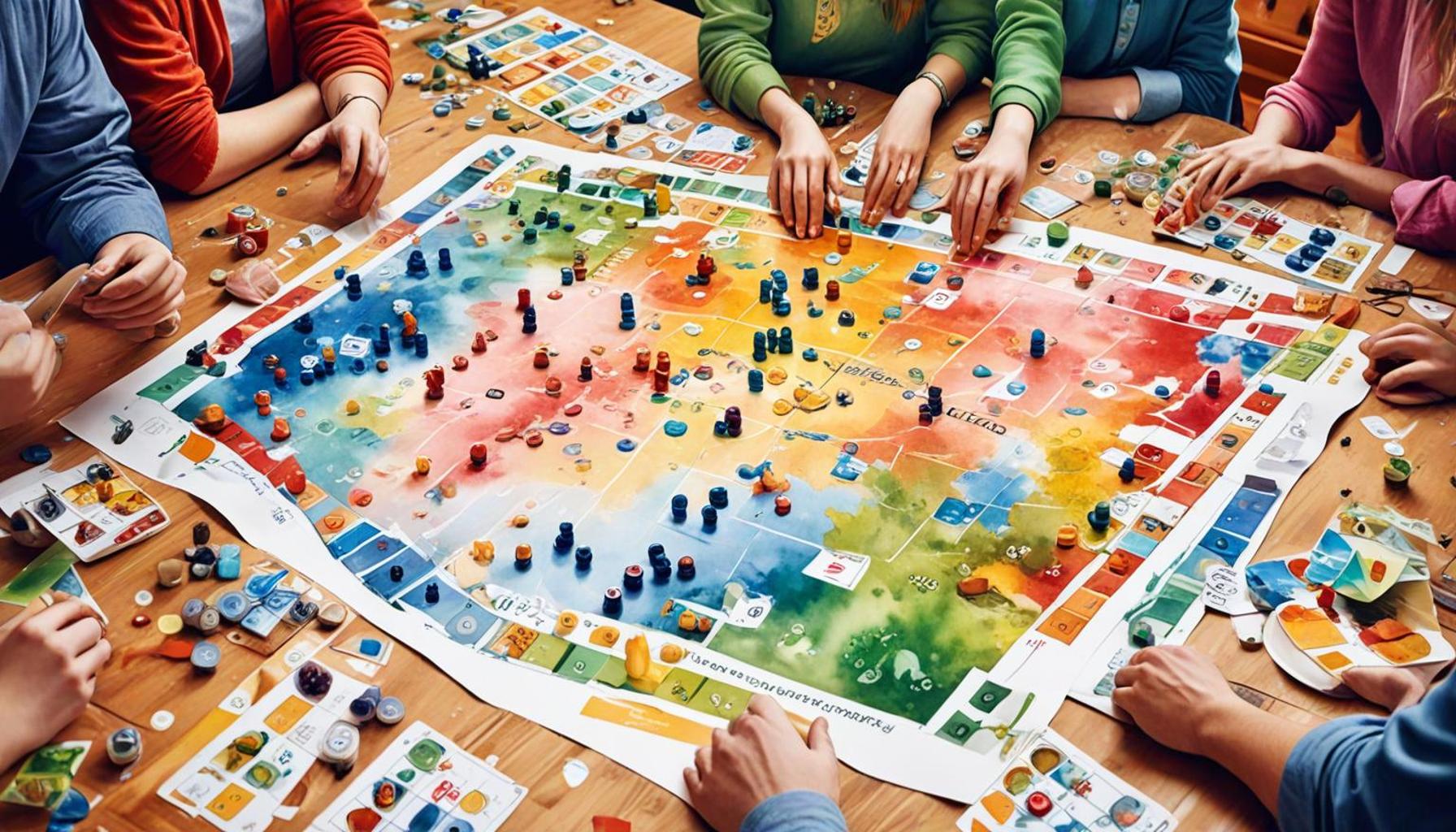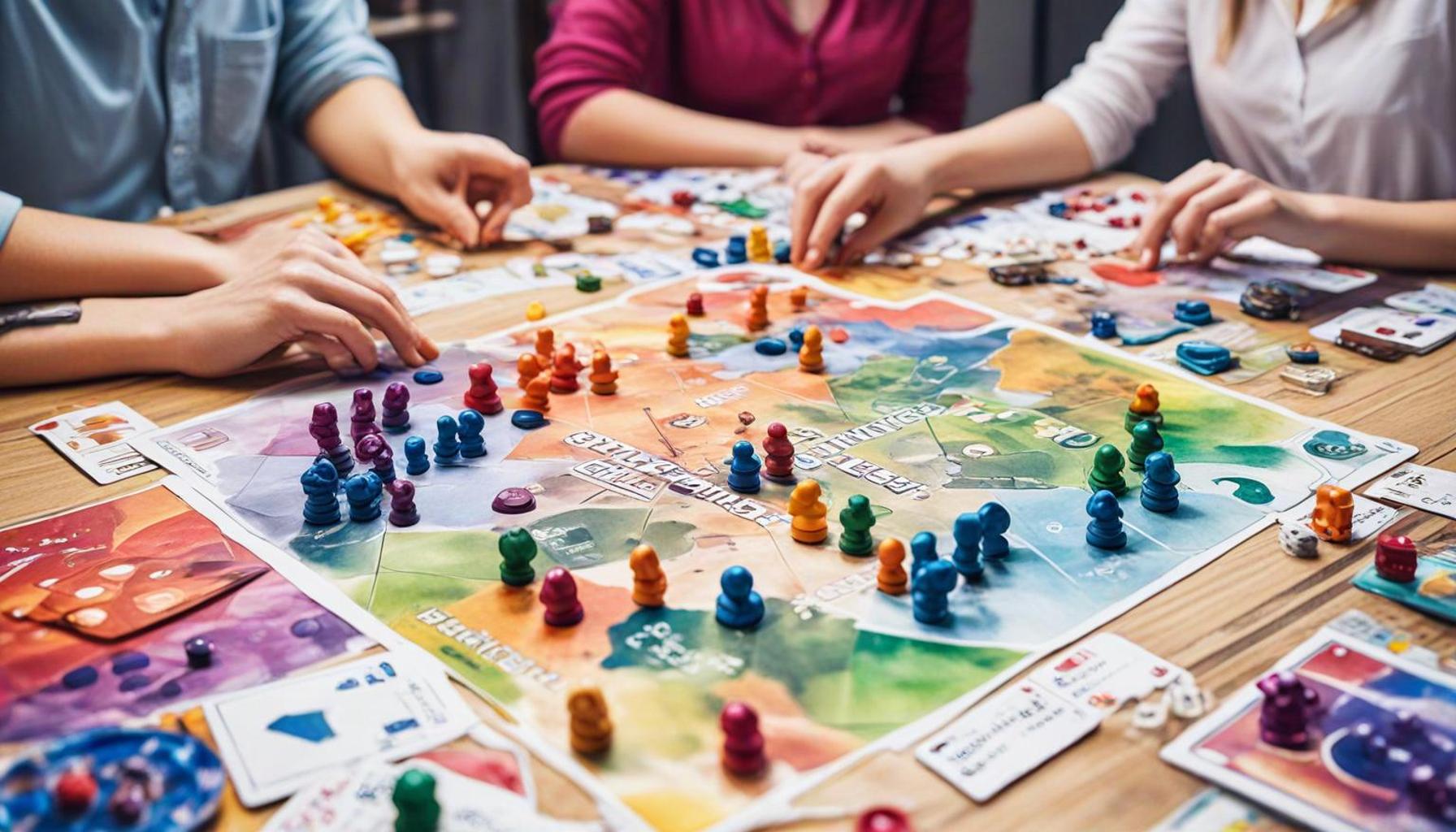
The Use of Adventure Games in Promoting Critical and Strategic Thinking Among Teenagers
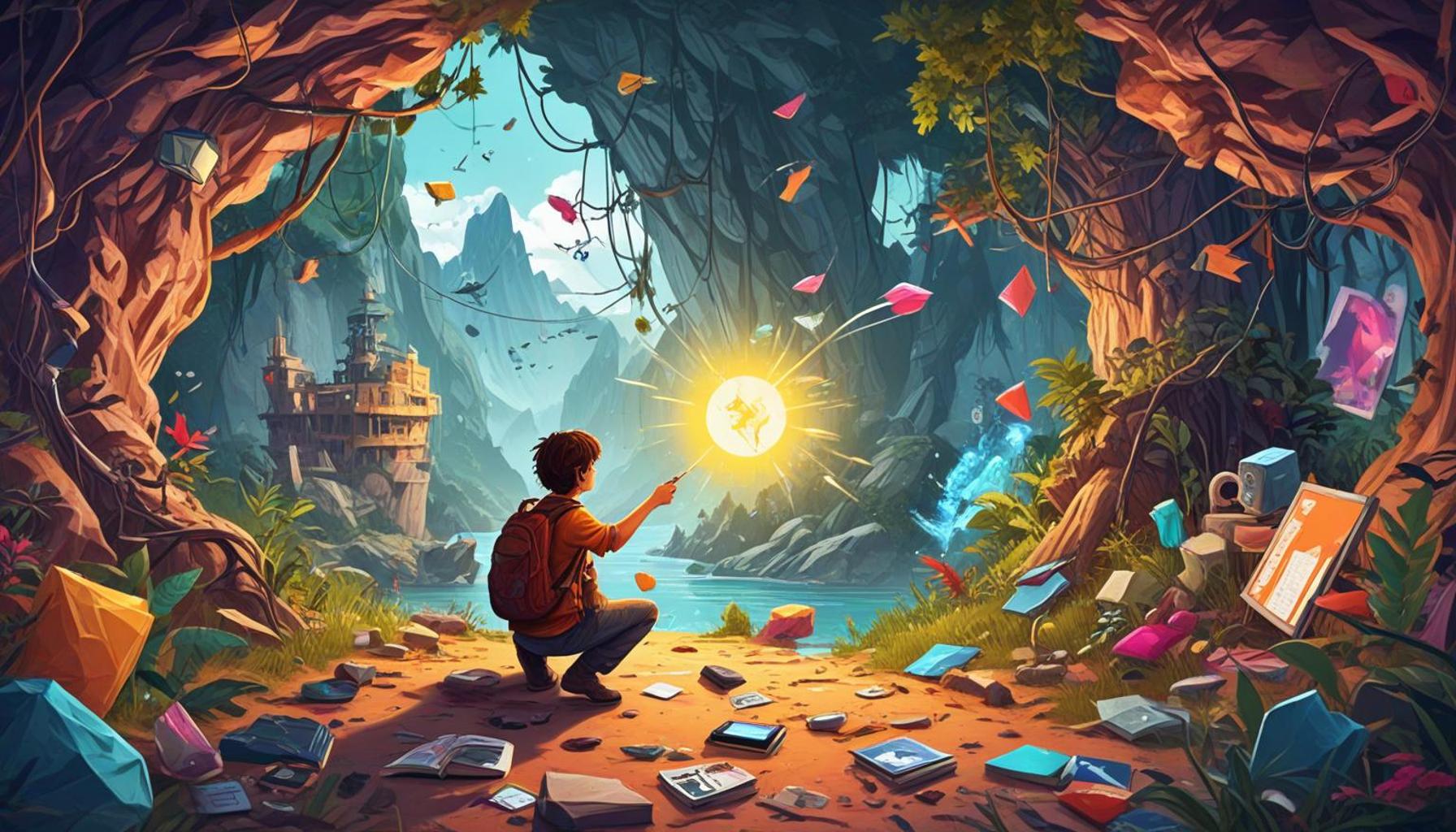
Unleashing Creativity and Critical Thinking through Gameplay
Adventure games have swiftly risen to prominence as significant platforms for skill development among teenagers, particularly in Nigeria. As the digital realm continues to expand, these games have emerged not merely as a source of entertainment, but as vital educational instruments that help young individuals cultivate essential cognitive abilities. They offer immersive environments where players encounter a variety of challenges that enhance critical thinking and strategic planning skills.
Problem-solving opportunities in adventure games are abundant. Players often find themselves in complex scenarios where they must assess situations methodically, pinpoint problems, and conjure up innovative solutions. For instance, when navigating a puzzle in a game such as “The Legend of Zelda,” players must decipher clues and manipulate environments in creative ways to overcome obstacles. Such activities encourage a mindset geared towards analysis and logic, skills that are not only useful in gaming but also applicable in academic and professional settings.
Furthermore, adventure games enhance decision-making skills. Every option presented to players can drastically alter game outcomes, prompting them to weigh potential results before making choices. A game like “Life is Strange,” for example, demonstrates this beautifully, as players’ decisions can lead to different narrative paths, teaching them the importance of foresight and responsibility. This aspect becomes particularly relevant for Nigerian teenagers facing real-life choices in their education and future careers.
In many instances, these games accentuate the value of team collaboration. Multiplayer formats, often seen in popular titles like “Fortnite,” require players to band together, strategizing and communicating effectively to achieve common goals. This environment fosters critical social skills, as participants learn to negotiate, compromise, and build rapport—traits essential for thriving in any community.
With technology usage surging in Nigeria, there is a burgeoning movement within educational institutions to harness the entertaining nature of adventure games for pedagogical purposes. Programs aimed at integrating adventure gaming in classrooms are shaping how students engage with learning material, turning traditional subjects into interactive experiences. Schools are increasingly exploring partnerships with game developers to create curricula that resonate with today’s digital generation.
As we continue to explore the profound relationship between adventure games and cognitive development, it becomes clear that engaging with these digital narratives offers much more than just a playful experience. It lays the groundwork for nurturing future leaders, innovators, and problem-solvers within a fast-paced world. By understanding and leveraging these interconnected skills, we can help shape a generation equipped to tackle real-world challenges head-on.
Join us in further investigating how adventure gaming can transform the educational landscape for Nigeria’s youth, providing tools that empower them to unlock the full potential of their minds through play.
SEE ALSO: Click here to read another article
Engaging the Mind: The Cognitive Benefits of Adventure Games
The profound impact of adventure games extends beyond mere entertainment, particularly for teenagers navigating the complexities of today’s world. These digital landscapes serve as stimulating environments where players can enhance their cognitive skills through various in-game experiences. As Nigerian youth increasingly embrace technology, the role of these games in promoting critical and strategic thinking becomes ever more significant.
At the core of adventure games lies the ability to foster analytical thinking. Players are frequently tasked with identifying intricate patterns, solving riddles, and decoding narratives. This type of gameplay encourages them to approach problems from multiple angles. A perfect example is the game “Monkey Island,” wherein players must engage in creative reasoning to figure out how to escape or advance in the storyline. Such interactions cultivate a mindset geared towards analysis—an essential skill not only for academic pursuits but also for life’s varied challenges.
Moreover, adventure games present a unique opportunity for players to develop strategic planning skills. Teenagers often find themselves managing resources, strategizing their next moves, and anticipating opponents’ actions. In titles like “The Witcher 3: Wild Hunt,” players must navigate vast landscapes while making calculated decisions that affect their journey. This aspect mimics real-life situations where planning and foresight are crucial, particularly in the face of critical choices such as selecting educational paths or career trajectories.
Additionally, adventure games contribute to better risk assessment abilities. As players navigate uncertain environments, they learn to evaluate the potential risks and rewards of their decisions. Teenagers playing “Tomb Raider” must often make quick judgments about their next steps, all while considering the potential dangers that lie ahead. Understanding the significance of weighing options equips young individuals with the nuanced decision-making skills essential for future challenges.
Adventure games also foster resilience and adaptability—traits highly valuable for teenagers in a rapidly changing world. The frequent trials and errors encountered within these games teach players to cope with failure and learn from mistakes. As they strive to overcome challenges, they develop a growth mindset, essential for thriving in academic and professional environments.
Key Cognitive Skills Developed through Adventure Games
- Analytical Thinking: Enhancing problem-solving capabilities through puzzles and narrative challenges.
- Strategic Planning: Encouraging foresight and resource management in game progression.
- Risk Assessment: Teaching players to evaluate outcomes and make informed decisions.
- Resilience and Adaptability: Cultivating a mindset that embraces learning from failures.
The integration of adventure gaming into educational frameworks in Nigeria may be a pivotal shift toward enhancing students’ cognitive development. As institutions recognize the potential these games hold, they can harness this tool to foster necessary skills among the youth, empowering them to approach real-world situations with confidence.
This exploration into how adventure games can unlock critical and strategic thinking indicates that, with the right guidance, digital play can provide teenagers with the keys to open doors to future success. As we delve deeper into the conversation around these educational games, it becomes evident that their place in shaping Nigeria’s next generation of thinkers is not only beneficial but crucial.
The Benefits of Adventure Games on Critical and Strategic Thinking
Adventure games provide a unique platform that enhances the cognitive abilities of teenagers in various ways. These games often involve complex narratives, problem-solving scenarios, and strategic decision-making processes, which engage players and encourage them to think critically. As teenagers navigate through these virtual worlds, they face challenges that require careful evaluation and tactical planning, laying a foundation for essential life skills.
| Category 1 | Category 2 |
|---|---|
| Engagement | Adventure games capture the attention of teenagers, making learning fun and interactive. |
| Problem-Solving Skills | Players learn to devise strategies to overcome obstacles, which translates to improved analytical thinking. |
| Teamwork and Collaboration | Many adventure games require players to work together, fostering communication and social skills. |
| Creativity | The open-ended nature of many adventure games allows for creative problem-solving and exploration of ideas. |
Incorporating these aspects into their gameplay not only nurtures intellectual development but also equips teenagers with problem-solving techniques that are applicable beyond the gaming world. Emphasizing creativity in strategy enhances their ability to think outside the box, an essential skill in today’s rapidly changing environment. As interest in adventure games grows, so does the potential for their usage as valuable educational tools. By exploring these virtual realms, teenagers can become adept at critical and strategic thinking, skills that are increasingly important in their academic pursuits and future career paths.
SEE ALSO: Click here to read another article
Adventure Games as Tools for Teamwork and Collaboration
Beyond individual cognitive skills, adventure games also serve as powerful platforms for nurturing teamwork and collaboration, crucial elements in developing strategic thinking among teenagers. As social beings, adolescents thrive in group settings where they can share ideas, brainstorm solutions, and strategize collectively. Some adventure games incorporate multiplayer features, enabling players to work together, thereby enhancing their communication and collaboration skills. This interaction promotes the sharing of diverse perspectives, ultimately leading to more robust decision-making processes.
Take, for example, the popular game “Among Us,” characterized by its emphasis on collaboration and deception. Players must discuss tasks and deduce the identity of impostors within their team, honing their ability to argue their points constructively while being open to others’ suggestions. The necessity of effective communication in such scenarios reflects a critical component of workplace dynamics where collaboration is key. As Nigerian teenagers engage with these types of adventure games, they inadvertently practice skills that are essential for success in an increasingly interconnected world.
Moreover, the ability to navigate complex social interactions within adventure games fosters empathy and emotional intelligence. Players must often consider the viewpoints and emotional states of other characters in the game, enhancing their capacity for compassion and understanding. Games like “Life is Strange” allow players to make choices that significantly impact the storyline depending on how they choose to interact with others, promoting the idea that decisions carry weight, both in-game and in real life. This focus on relationships helps teenagers to develop emotional skills that are critical for effective communication and conflict resolution in group settings.
The Role of Narrative and Storytelling
Another enriching facet of adventure games lies in their deep-rooted narrative and storytelling elements. Engaging narratives encourage teenagers to think critically about characters’ motivations and consequences of their decisions. The plot-driven design of games such as “The Last of Us” allows players to explore complex moral dilemmas that challenge their beliefs and stimulate critical discussions. These narratives often mirror real-life issues such as leadership, sacrifice, and ethical decision-making, urging players to confront their views and refine their critical thinking.
- Teamwork and Collaboration: Building essential social skills through cooperative gameplay and group problem-solving.
- Emotional Intelligence: Enhancing empathy and understanding through character interactions and decisions.
- Narrative Engagement: Inviting critical discussions through complex storylines and moral dilemmas.
Integrating adventure games into educational settings can provide invaluable opportunities for students to practice these vital collaborative and analytical skills. Encouraging schools in Nigeria to adopt game-based learning strategies could not only enrich the educational experience but also equip students with the self-confidence and critical thinking capabilities needed to navigate both academic pursuits and real-world challenges.
The expansion of adventure games beyond entertainment into educational paradigms illustrates a transformative potential. By embracing these interactive learning tools, educators can cultivate a generation of young thinkers who are equipped to tackle the complexities of tomorrow’s world with creativity, collaboration, and critical insight.
CHECK OUT: Click here to explore more
Concluding Thoughts on Adventure Games and Critical Thinking
In summary, adventure games have emerged as instrumental tools in promoting critical and strategic thinking among teenagers, especially within the vibrant contexts of Nigeria. These interactive platforms not only enhance cognitive skills but also foster essential social attributes including teamwork, collaboration, and emotional intelligence. As adolescents engage in multiplayer scenarios, they learn the importance of communication and negotiation, skills vital for success in both academic arenas and future careers.
The rich narratives embedded within adventure games invite players to confront ethical dilemmas and explore characters’ motives, encouraging them to reflect on their own beliefs and decision-making processes. This immersive storytelling fosters a critical lens through which teenagers can analyze real-world issues, paving the way for informed discussions and thoughtful conclusions.
As we move into an era where technology increasingly intertwines with education, the potential for adventure games to revolutionize learning cannot be overlooked. Incorporating these games into school curricula in Nigeria offers promising pathways to enhance students’ problem-solving abilities and foster a generation equipped to tackle complex global challenges. It is imperative for educators and policymakers to recognize the vast possibilities that adventure gaming presents, driving forward the initiative to integrate game-based learning techniques into the fabric of youth education.
Ultimately, by harnessing the power of adventure games, we can cultivate creative thinkers and empathetic leaders who will contribute positively to society. This exploration into game-based learning necessitates further research and dialogue, urging a collaborative effort to maximize the benefits for Nigerian teenagers as they prepare for their future.

Linda Carter
Linda Carter is a writer and puzzle expert specializing in mind games, brain teasers, and cognitive challenges. With extensive experience helping individuals enhance their problem-solving skills and think critically, Linda shares her knowledge on our platform. Her goal is to empower readers with practical advice, engaging puzzles, and strategies to sharpen their minds and achieve success in the captivating world of mind games and puzzles.