Developing Strategic Vision Through Military Simulation Games and Tactics
Understanding Military Simulation Games
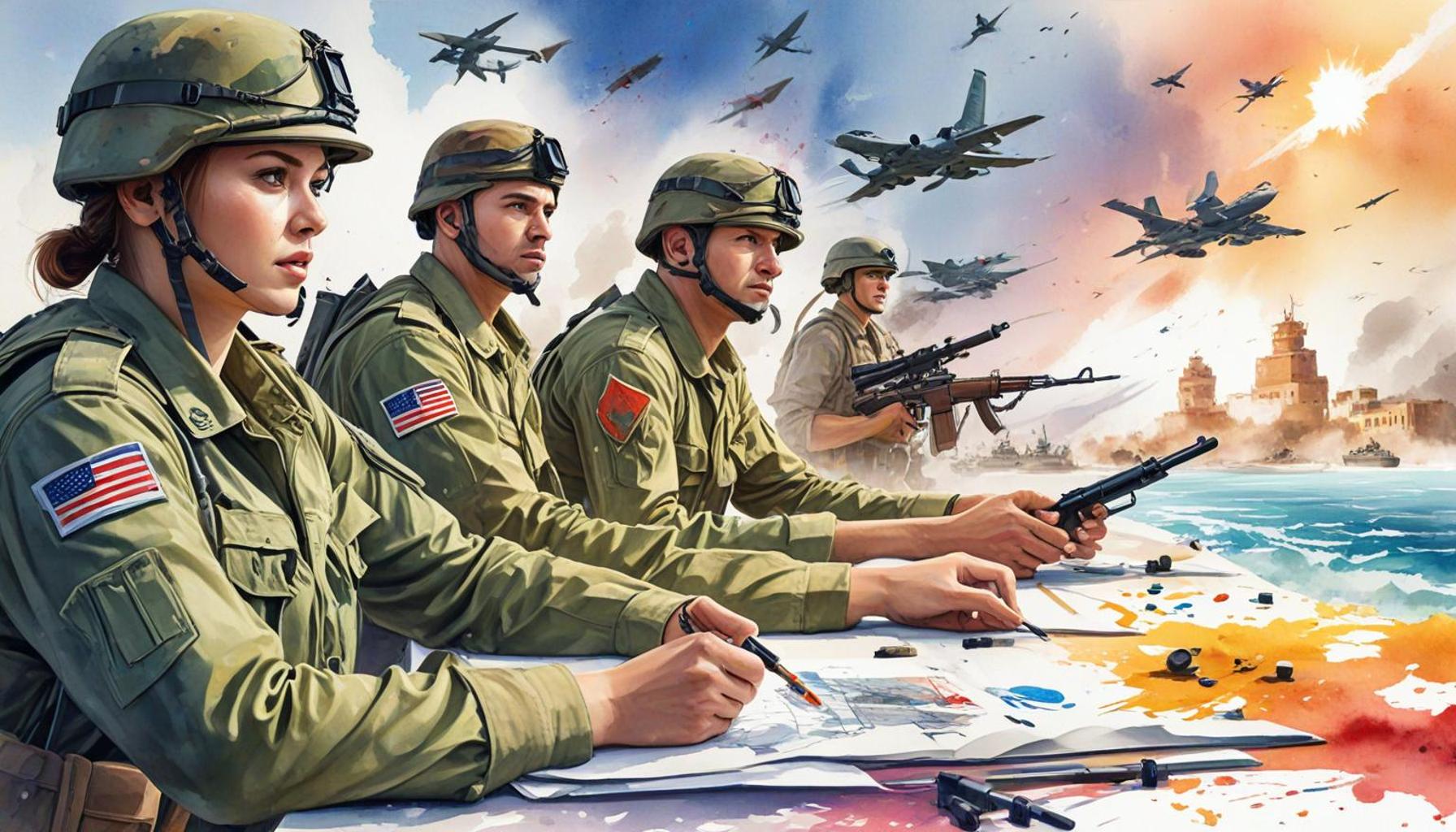
The evolution of military simulation games into influential educational tools has garnered significant attention in recent years. These platforms go beyond mere entertainment, serving as a valuable medium for the development of critical skills necessary for navigating complex real-world scenarios. By simulating military conflicts, these games foster an environment where players hone their strategic vision, preparing them for decision-making processes that can impact not only military outcomes but also civilian endeavors, such as business decisions and governance.
The Nigerian Context
In Nigeria, a nation grappling with multifaceted challenges ranging from economic instability to security threats, the importance of strategic planning cannot be overemphasized. The application of military tactics, as modeled through simulation games, can yield unique perspectives on resource allocation, crisis management, and long-term strategic development. For instance, consider the ongoing challenges rooted in Nigeria’s security landscape; these simulations can expose participants to decision-making frameworks that prioritize public safety while balancing limited resources.
Key Features of Military Simulation Games
There are several key features inherent in military simulation games that enhance their educational value:
- Realistic Scenarios: Players are often placed in intricate situations that replicate actual events, demanding analytical thinking and quick adaptation. For example, a game may immerse players in a scenario involving regional conflicts and resource shortages, compelling them to strategize effectively under pressure.
- Team Coordination: The success of missions often hinges on collaboration; players must communicate and coordinate actions to achieve common goals, mirroring the dynamics of effective teamwork found in corporate and governmental settings.
- Resource Management: Players manage assets and allocate resources wisely within the constraints of time and availability, which sharpens their ability to assess value and prioritize tasks under critical conditions.
An interesting case study involves the application of military simulation games in corporate training programs in Nigeria, where companies have started to incorporate these tools to foster innovative problem-solving skills among their teams. Organizations design modified simulations that cater to specific business scenarios, encouraging employees to think outside the box while working collaboratively against a backdrop of simulated challenges.
Evolving Strategic Vision
As players engage with various tactics and strategies, they cultivate a sophisticated strategic vision that transcends military applications. This skill set is increasingly relevant in the modern workforce, given the complexity of issues faced by businesses and governments today. Learning how to approach dilemmas with a strategic mindset can empower individuals to navigate their professional landscapes with greater confidence and efficacy.
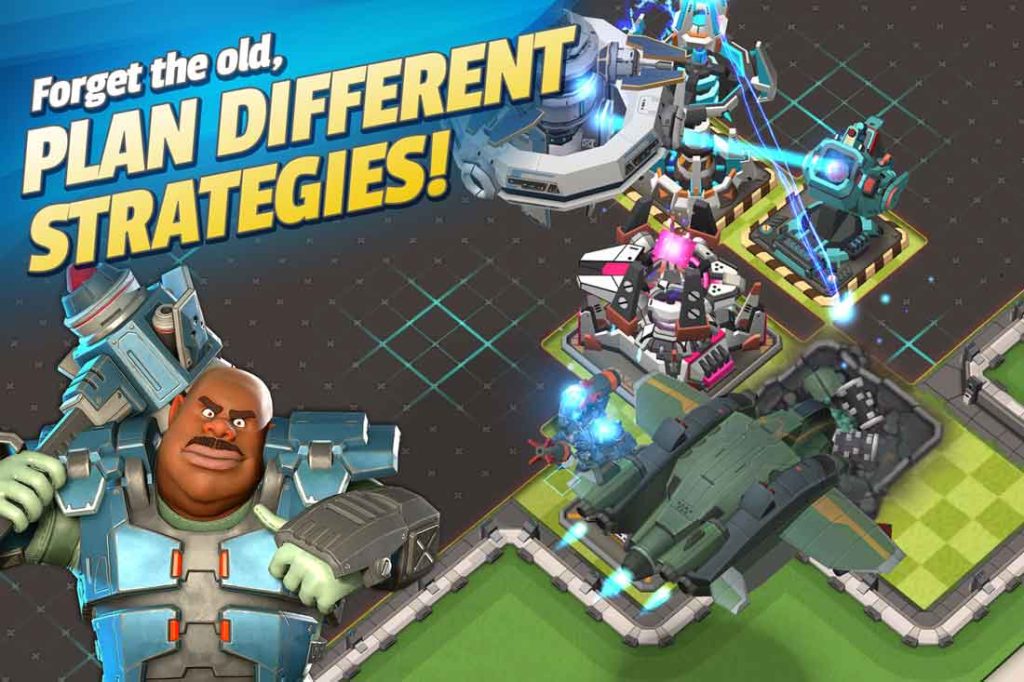
In conclusion, military simulation games present a unique intersection of entertainment and education. Through the development of critical thinking skills and enhanced strategic vision, they provide essential tools for professionals in Nigeria and beyond. As we delve deeper into the integration of military lessons into everyday practices, anticipate discovering practical methods to apply these insights both in personal development and professional growth.
YOU MAY ALSO LIKE: Read read another article
The Strategic Learning Landscape of Military Simulation Games
Military simulation games offer more than just a digital battleground; they serve as a training ground for cultivating strategic vision. As players navigate complex scenarios, they acquire the ability to think critically and adapt quickly. This process mirrors real-world challenges faced in various sectors, especially in a nation like Nigeria, where strategizing is essential for tackling urgent issues. These games utilize a mix of theoretical knowledge and practical application to reinforce the importance of contingency planning, foresight, and situational awareness, pivotal elements in both military and civilian contexts.
The Intersection of Strategy and Tactics
At the heart of military simulation games lies the delicate interplay between strategy and tactics. Players are required not only to devise overarching plans but also to execute specific maneuvers that drive these plans to fruition. This dual-layered approach ensures players understand the essence of adapting strategy in response to ever-changing variables in a simulated environment. The following aspects highlight how military simulation games enhance participants’ understanding of this dynamic:
- Comprehensive Scenario Planning: Players encounter diverse situations, requiring them to anticipate potential challenges and devise contingency plans. For instance, simulations may present a security breach or a humanitarian crisis that players must resolve, compelling them to think on their feet.
- Risk Assessment: Each decision impacts the outcome of the game, prompting players to evaluate risks versus rewards rigorously. This critical thinking skill is vital in business and governance, where decisions often have significant consequences for stakeholders.
- Leadership Development: Military simulations often place players in leadership roles, testing their ability to guide teams under duress. This aspect not only helps individuals enhance their leadership skills but also fosters a sense of accountability and teamwork.
As organizations across Nigeria increasingly recognize the value of military simulation games in fostering strategic vision, there is a growing trend of integrating these tools into training workshops. Corporations are tailoring specific scenarios that resonate with pressing challenges faced in the Nigerian economy, promoting a rich learning experience that extends beyond conventional training methods.
Innovation through Collaboration
One of the most enriching aspects of military simulation games is collaboration. Participants often join forces to overcome challenges, mirroring the collaborative nature essential in both military missions and corporate environments. This collaborative aspect not only strengthens team dynamics but also fosters innovative thinking as diverse perspectives come together to solve problems. Moreover, as they work in teams, players learn to align their strategic vision with their teammates, understanding that successful outcomes often depend on shared insights and collective efforts.
As we explore further, it is crucial to note how these military-inspired strategic lessons can guide professionals in Nigeria, helping them bridge the gaps between theory and practice. Insights gleaned from these games can redefine approaches to governance and business management, ultimately contributing to national progress.
| Category | Description |
|---|---|
| Real-World Applications | Military simulations effectively translate strategic concepts into tangible experiences, providing practical insights applicable in various sectors. |
| Skill Enhancement | Engaging in these simulations sharpens leadership and critical thinking abilities, fostering a more robust strategic vision. |
Exploring military simulation games and tactics unlocks a visual and interactive avenue for understanding strategy. Through realistic scenarios, participants immerse themselves in decision-making processes that challenge their assumptions and expand their strategic horizons. This kind of engagement emphasizes the relationship between theory and practice, allowing users to see the impact of their choices in real-time.Moreover, these simulations provide a unique platform for collaboration, as players often work in teams, replicating high-stakes environments. This fosters crucial communication skills and encourages diverse perspectives to shape outcome strategies. As individuals navigate the complexities inherent in military tactics, they are not just grasping concepts; they are also developing a heightened sense of situational awareness and agility in thought, skills highly valued in any leadership role.By integrating theory with execution in a controlled environment, military simulation games serve as modern training tools that prepare individuals to face the unpredictability of real-world situations. The allure of these games lies in their capacity to blend education with a competitive edge, making strategic development both intriguing and dynamic.
SEE ALSO: Click here to read another article
Transforming Knowledge into Action: Lessons from Military Simulations
The application of military simulation games extends beyond mere theoretical understanding—participants are compelled to convert knowledge into action. This transition is crucial in developing a robust strategic vision, particularly in Nigeria, where multifaceted socio-economic challenges necessitate proactive and strategic frameworks. By engaging in simulations, professionals can hone their ability to make informed decisions swiftly while maintaining a focus on the bigger picture.
Dynamic Decision-Making Under Pressure
One of the most critical skills developed through military simulations is the ability to make dynamic decisions under pressure. Participants often find themselves in rapidly changing scenarios requiring immediate responses. For example, a simulation might introduce unexpected diplomatic tensions that require players to reassess their current plans and pivot strategies almost instantaneously. This experience closely mirrors situations faced in Nigeria’s political landscape, where leaders must navigate changes in public sentiment, policy shifts, or economic upheavals.
- Adaptive Strategy Formation: As players encounter evolving challenges, they learn to adapt their strategies, shifting between offensive and defensive tactics based on situational demands. This flexibility is essential in any leadership role, teaching individuals how to pivot and adjust their approaches based on real-time data and feedback.
- Scenario Realism: The beauty of military simulation games lies in their realism. Players engage in mock operations that simulate actual strategic military models, allowing them to see the implications of their decisions play out over time. This reinforces the need for foresight and thorough analysis—vital components of effective governance and business management.
- Emotional Intelligence: These simulations also test emotional intelligence. During high-stress scenarios, players must maintain composure, demonstrating effective communication and conflict resolution skills. In Nigeria, where teamwork across various sectors is paramount, such developments in emotional responses can enhance collaborative efforts in both crisis management and daily operations.
From Simulated Strategies to Real-World Applications
The insights gained from military simulation games present an extraordinary opportunity for professionals in Nigeria. The link between simulated environments and real-world applicability is profound. For instance, organizations within the burgeoning technology sector can employ the strategic frameworks developed in simulations to refine their product launches or enter new markets. Similarly, government officials can leverage these insights to craft policies that reflect strategic foresight and effective governance.
In recent years, there has been an increasing push for integrating military simulation strategies into educational curricula within Nigeria. Universities and business schools are recognizing the value of these simulations in bridging the gap between academic theory and practical application. By collaborating with defense experts and strategic consultants, educational institutions are incorporating military principles into diverse subjects such as economics, management, and public policy.
Ultimately, as players immerse themselves in the complex realities of military simulation games, they cultivate a deeper understanding of strategy, tactics, and collaborative processes. This experience not only enhances personal growth but also provides organizations with a foundational toolkit to address their unique challenges, paving the way for achieving sustainable growth and development in a rapidly evolving environment.
ADDITIONAL INSIGHTS: Expand your understanding here
Conclusion: Harnessing the Power of Military Simulation for Strategic Growth
In a rapidly changing world, the ability to develop a strategic vision is paramount, particularly in a complex landscape like Nigeria. Military simulation games offer an innovative platform for professionals to cultivate essential skills such as dynamic decision-making, strategic adaptability, and emotional intelligence. These simulations not only engage participants in realistic scenarios but also reinforce the necessity for foresight and rapid response, mirroring the unpredictable nature of the socio-political environment.
As organizations and educational institutions begin to recognize the profound impact of military tactics on strategic planning, the integration of simulation-based learning is becoming increasingly vital. By applying the lessons learned from these simulated environments, professionals can effectively translate theory into practice, empowering them to navigate challenges with confidence and clarity. From refining market strategies in the tech sector to shaping thoughtful policies within governmental frameworks, the potential applications are vast and significant.
Moreover, the emphasis on collaboration instilled during these simulations can enhance teamwork across various sectors in Nigeria, driving collective problem-solving and efficiency. Therefore, as we champion the melding of military tactics and strategic vision, it is evident that the journey toward strategic growth is not just theoretical but profoundly practical and achievable. Harnessing these gamified experiences will undoubtedly serve as a springboard for leaders to inspire innovation and resilience in a nation striving for progress.

Linda Carter
Linda Carter is a writer and puzzle expert specializing in mind games, brain teasers, and cognitive challenges. With extensive experience helping individuals enhance their problem-solving skills and think critically, Linda shares her knowledge on our platform. Her goal is to empower readers with practical advice, engaging puzzles, and strategies to sharpen their minds and achieve success in the captivating world of mind games and puzzles.