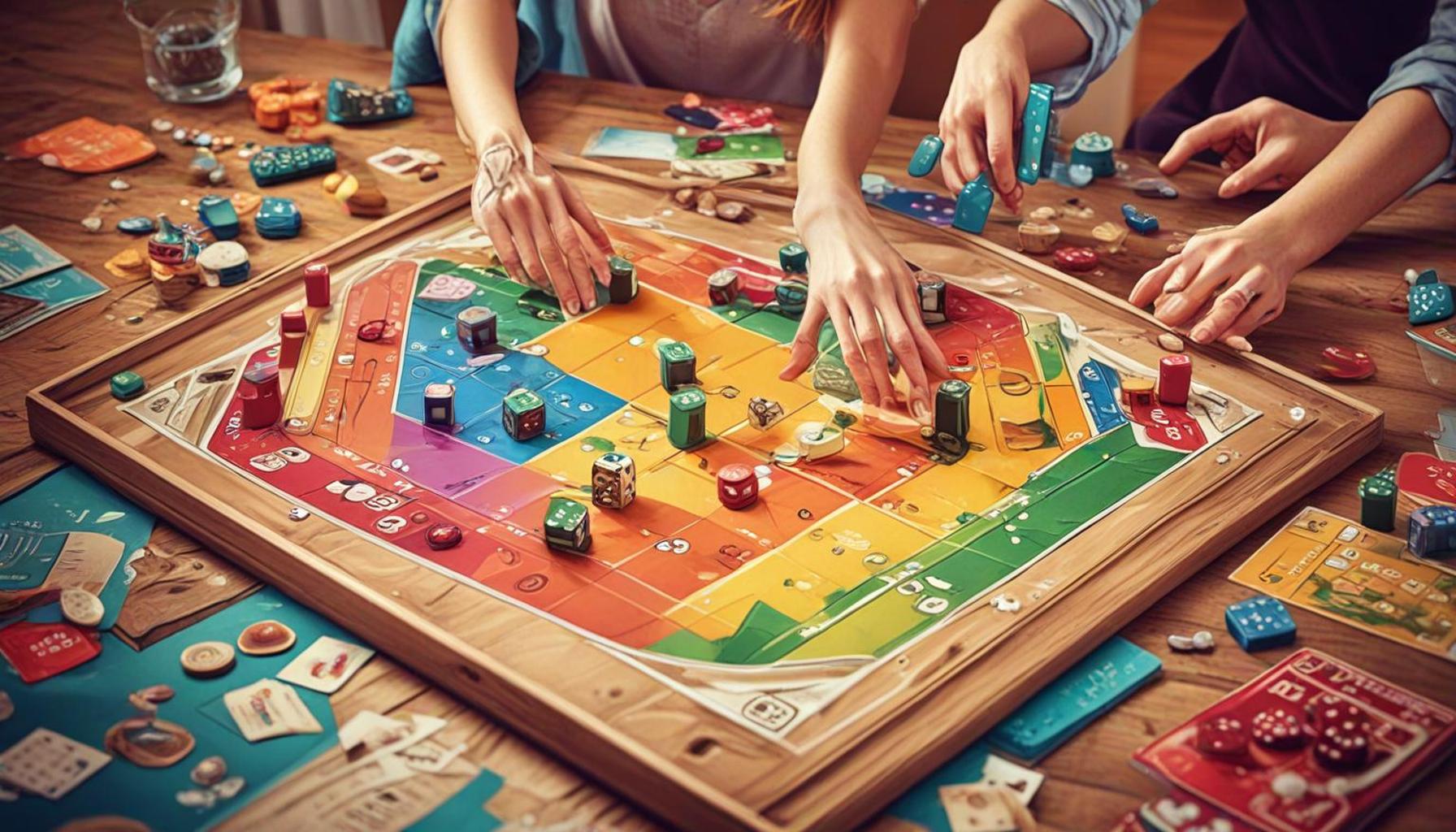
The Impact of Card Games on Improving Concentration and Memory

Discovering the Multifaceted Advantages of Card Games
Card games have long been a cornerstone of recreation and social interaction. However, their benefits extend far beyond mere entertainment, potentially enhancing various cognitive faculties. Engaging in card games provides players with opportunities to sharpen their concentration and memory skills, while also promoting social bonding and strategic thinking.
In Nigeria, where card games like Whot, President, and Poker are widely played, the cognitive benefits are particularly significant. These games are not just a source of amusement; they serve as avenues for mental enhancement. The engagement involved in these games stimulates brain activity, fostering an environment where cognitive growth can occur.
Key Features of Card Games That Enhance Mental Skills
- Strategic Thinking: Card games often require players to anticipate their opponents’ moves while simultaneously strategizing their own. For example, in Poker, players must calculate odds, assess risks, and make decisions based on limited information, all of which improve their ability to focus on multiple aspects of a situation.
- Memory Retention: Keeping track of played cards and remembering opponents’ strategies exercises memory. In games like Whot, remembering the order of plays can significantly influence the outcome, thus enhancing one’s capacity for memory retention.
- Social Interaction: Many card games are played in groups, encouraging social interaction. Collaborating or competing with others not only improves communication skills but also fosters a sense of community. Engaging with friends during a game of President can build stronger social bonds and improve cognitive flexibility by adapting to various social cues.
Research underscores that engaging in such activities can result in better performance in daily tasks requiring sustained attention. The cognitive connection between playing card games and mental development opens up new avenues for understanding how recreational activities can bolster exceptional mental capabilities.
Furthermore, studies have shown that individuals who regularly engage in strategic games tend to exhibit sharper problem-solving skills and increased creativity. Such findings suggest that integrating card games into one’s routine may offer a dual benefit: enhancing mental acuity while also providing entertainment.
As you delve deeper into how these games can contribute to enhancing daily focus and memory retention, consider experimenting with different card games and observing the effects on your cognitive abilities. The exploration of this topic reveals fascinating insights into mental exercise through play, inviting you to discover new aspects of your mental potential.
LEARN MORE: This related article may interest you
The Cognitive Workout: How Card Games Stimulate Mental Fitness
Engaging in card games is akin to participating in a rigorous mental workout. The intricacies of these games demand focus, strategic thinking, and an acute sense of awareness that collectively bolster cognitive performance. For players, particularly in Nigeria where these games are a popular form of entertainment, the impact on concentration and memory can be profound.
At the core of a typical card game lies an intricate web of rules and strategies that encourage players to pay close attention not only to their own cards but also to the actions of others around them. In games like Poker and Whot, participants must constantly evaluate their options based on the evolving dynamics of play. The moment-to-moment decisions made during a game serve to hone a player’s ability to concentrate on immediate tasks while filtering out distractions.
Moreover, the significance of memory retention cannot be overstated. Players are required to recall not only the cards that have been played but also the strategies employed by their opponents. This mental exercise can lead to improvements in short-term memory, crucial for both recreational and professional contexts. For instance, remembering the sequence of played cards in Whot can mean the difference between winning and losing, thereby compelling players to engage their memory skills actively.
The benefits extend beyond individual performance, influencing overall cognitive health. Engaging regularly in card games fosters an environment where mental agility is nurtured and developed. Research has shown that individuals accustomed to strategic games often exhibit enhanced attentional control. This development is especially relevant in today’s fast-paced world, where the ability to focus deeply on tasks is increasingly invaluable.
The Role of Social Interaction in Cognitive Enhancement
Card games often serve as a medium for social connection, providing opportunities for players to engage with one another. In contexts such as family gatherings or community events, these games facilitate interaction, encouraging players to communicate, collaborate, and compete. The social component of card gaming enhances emotional intelligence and cognitive flexibility, as players must adapt their strategies based on real-time feedback from fellow players.
Participating in group games fosters a sense of community and teamwork, which can amplify cognitive growth. The lively discussions that accompany card play allow for the exchange of ideas and strategies, further enhancing critical thinking. Such interactions are particularly relevant in Nigerian culture, where social gatherings often revolve around fun and competitive activities, bringing people closer together while also stimulating the brain.
In summary, the dual engagement of cognitive challenge and social interaction in card games effectively cultivates improved concentration and memory among players. By integrating these games into daily routines, individuals may not only find a source of entertainment but also a powerful tool for enhancing their mental capacities.
| Advantages | Description |
|---|---|
| Enhanced Focus | Playing card games requires players to pay attention to their cards and opponents, elevating their ability to concentrate. |
| Memory Retention | Regular engagement with card games has shown to improve short-term memory as players need to remember strategies and card positions. |
| Strategic Thinking | Card games foster critical thinking skills as players must devise and adapt strategies to win, a process that requires mental agility. |
| Social Engagement | Playing in a group enhances social interactions, boosting emotional well-being, which can further support cognitive functions like concentration. |
The interrelationship between playing card games and cognitive skills is both fascinating and beneficial. Card games are not merely a source of entertainment; they engage the mind in unique ways, influencing various aspects of mental acuity. Furthermore, studies suggest that the repetition of complex sequences involved in these games can have a lasting impact on cognitive functions. Each card dealt serves as a new challenge, prompting players to refine their strategies and improve their decision-making abilities over time. Moreover, card games can serve as mental workouts, mimicking exercises that enhance brain health, essential for individuals of all ages in fostering an active and healthy mind. This captivating exploration into the impact of card games paves the way for discovering more about how recreational activities contribute significantly to mental prowess.
YOU MAY ALSO LIKE: Read read another article
The Neuroplasticity of Card Play: Enhancing Mental Agility
One of the most fascinating aspects of engaging in card games lies in their ability to influence neuroplasticity. Neuroplasticity refers to the brain’s remarkable ability to adapt and reorganize itself by forming new neural connections throughout life. According to recent studies, activities that challenge the brain, such as playing card games, can contribute to maintaining cognitive vigor and may even slow neurodegenerative diseases.
Research indicates that when individuals participate in card games, especially those like Bridge or Solitaire, they engage multiple regions of the brain simultaneously. These games rev up mental processes such as problem-solving, decision-making, and abstract reasoning. Each hand played requires players to update their strategies based on shifts in circumstances, effectively keeping the brain agile and sharp. Players must constantly weigh odds and reassess their moves based on previously gathered information, reinforcing their memory and concentration skills.
Moreover, the diverse array of card games available in Nigeria, from Tarok to Rummy, offers unique challenges that can cater to different cognitive skills. A study conducted by the University of Lagos found that participants who played card games for just 30 minutes a day showed improved scores in cognitive flexibility tests after a two-month period. This is indicative of how structured mental exercise can lead to improved cognitive processing speed and memory retention.
Building Resilience Through Competition
Another impactful aspect of card games is their competitive nature, which can build resilience among players. This can be especially relevant in Nigerian contexts where competitive games create environments charged with both enthusiasm and, at times, intense rivalry. Learning to navigate wins and losses during gameplay sharpens not only cognitive control but also emotional intelligence. Players must process complex feelings associated with competition—anticipation, anxiety, and joy—each requiring a level of concentration and self-regulation that translates into everyday life.
Additionally, as players develop strategies, they learn to observe and anticipate opponents’ moves. This heightened attentiveness equates to improved focus in diverse settings, whether at school or in a professional environment. Engaging in strategic card games fosters adaptability, encouraging individuals to modify their plans in real-time, which is a vital skill in navigating both personal and professional challenges.
- Social bonding: Card games facilitate interactions that can lead to improved communication skills and social connections.
- Memory recall: Recognizing patterns and sequences during gameplay can significantly enhance a player’s memory capabilities.
- Problem-solving: Card games encourage players to devise creative solutions, reinforcing critical thinking and analytical skills.
The cumulative cognitive benefits of playing card games are thus not merely confined to short-term gains in attention or memory. Instead, they contribute to a holistic enhancement of mental capabilities, showcasing the transformative effect of these games on individuals. By integrating card games into regular routines, players are leveraging a rich blend of cognitive and emotional development, ultimately paving the way for sustained mental well-being.
ADDITIONAL INSIGHTS: Expand your understanding here
Conclusion: Unlocking Cognitive Potential through Card Games
In summary, the impact of card games on enhancing concentration and memory is profound and multifaceted. As we have explored, engaging in strategic games—ranging from Tarok and Rummy to numerous classic versions—provides an exciting avenue for mental stimulation that benefits not only individual cognitive abilities but also social interaction and emotional resilience. The brain’s ability to adapt through neuroplasticity allows players to develop sharper recall, improved problem-solving skills, and greater mental agility over time.
Moreover, the social aspect of these games fosters community bonding and enhances communication skills, making them ideal for gatherings and events in Nigeria, where camaraderie is inherent. Playing card games also introduces a healthy dose of competition, which encourages players to manage emotions and develop strategic thinking—skills that are invaluable in everyday life. Regularly engaging in these games can serve as a delightful method to enhance overall cognitive health, keeping minds sharp and focused.
As we move forward in a world increasingly reliant on multitasking and cognitive efficiency, integrating card games into daily routines may very well become a cornerstone for mental wellness. Whether for personal enjoyment or community gatherings, the benefits extend far beyond the cards played. By fostering a culture that embraces these games, individuals can unlock their cognitive potential while enjoying the company of friends and family—an experience that is both intellectually rewarding and socially enriching.

Linda Carter
Linda Carter is a writer and puzzle expert specializing in mind games, brain teasers, and cognitive challenges. With extensive experience helping individuals enhance their problem-solving skills and think critically, Linda shares her knowledge on our platform. Her goal is to empower readers with practical advice, engaging puzzles, and strategies to sharpen their minds and achieve success in the captivating world of mind games and puzzles.